
 By dbtuser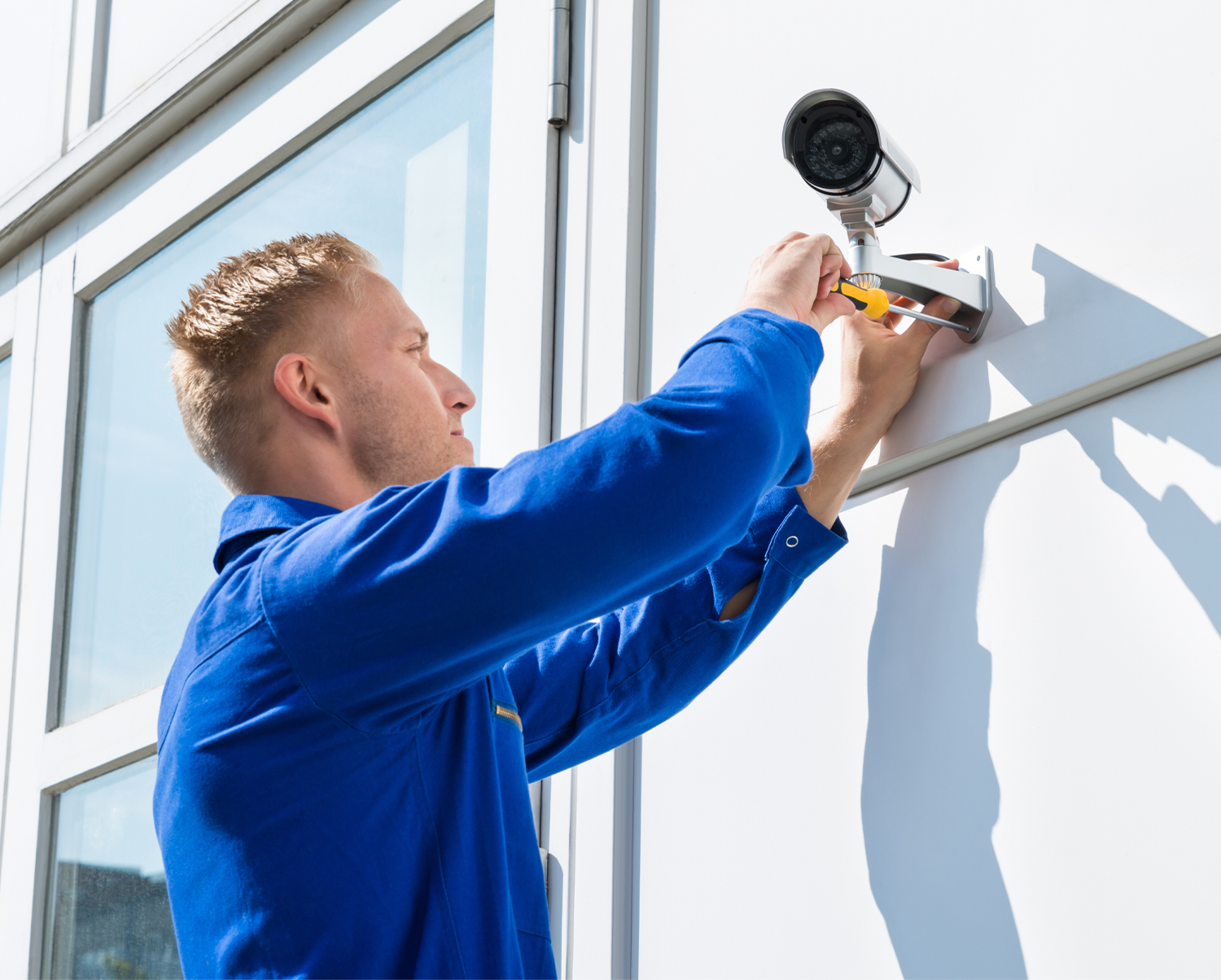
On a quiet Wednesday afternoon in our neighborhood, there was a break-in at a house. Not late at night or during a storm – just a regular day. Notably, there was a visible security camera in the house adjacent to the victim’s home at which the intruders paid no heed. Rather, they went after the unguarded home.
Following the incident, a few neighbours began researching installing security systems.
However, many homeowners are mistaken here—they rush into a home security system installation without taking the time to understand the homeowner’s needs. This frequently results in overspending and a critical lack of protection.
There are 10 Things You Need to Know before Scheduling an Installation
Determine what you need to protect
Consider your main concern before selecting devices. Is it to protect the safety of elderly members of the family, or to watch over children, or to catch the burglars, or even the package thieves?
The kind of home security system installation you need will be determined by your priorities. Each concern will have a different setup, and clarity at this stage is crucial.
Wired and Wireless systems
- The decision is more significant than it appears.
- Wired systems offer stable connections and are ideal for new constructions or renovations.
- Wireless systems are simpler to install and expand, and they work well in older houses.
Most of the security systems’ installation today favors wireless security systems because of their flexibility and enhanced reliability.
The last one is Equipment Ownership vs Leasing
Not all systems are purchased outright. There are some businesses that provide leasing of equipment based on monthly plans.
- Four seasons control with ownership; renting control for four seasons is temporary.
- While leasing lessens upfront expenses, it also ties you to a provider.
This is the reason why it is important to understand it beforehand, as it will save you from any surprises later after installing your home security systems.
Assess the Layout of Your Home
Before installation, survey your home and find all entry points:
- Doors and windows
- Garage access
- Basement entries
- Side gates
This will ensure that your security system is installed in all vulnerable areas.
Also consider:
- Hidden entry points
- Poor lighting zones
- Low signal strength zones (for wireless setup)
The Placement of the Camera is Important
It’s not all about the number of cameras, but their positioning.
These can cause unusable footage if they’re not placed correctly. The camera can be facing an incorrect angle, or lighting conditions may affect it.
Cameras are installed by a professional, ensuring they are in the right location for optimal coverage.
Best practices include:
- Installing surveillance cameras at the level of faces at the front door of your home.
- Vehicles and moving in driveways
- Targeting backyard cameras at entryways
- Placing indoor cameras in high-traffic areas
Monitoring Options
There are 2 options:
- Self-monitoring: Alerts are sent directly to your cell phone.
- Professional monitoring: A service that reacts to alerts and calls emergency services.
These days, many of the security system installations are available with both options, so it becomes flexible as per the need.
Become an Energy Conservation Pro
Modern systems can be made compatible with:
- Smart locks
- Doorbell cameras
- Lighting systems
- Voice assistants
In doing so, you will guarantee easier installation and prevent compatibility issues after the installation of your home security systems.
Check Local Regulations
Permits for security system installations are needed in some areas, particularly for those that are linked to monitoring services.
Failure to do this could lead to fines or extra charges for false alarms. Please check local requirements before installation.
When planning and designing a system, make sure to test it first before completing it.
Test everything before the technician leaves:
- Cameras
- Motion sensors
- Door and window contacts
Also, pose significant questions such as:
- Does it have a battery backup?
- How many years does it last?
- What is done in case of false alarms?
- What method do you use to control users’ access to your site?
Testing guarantees that your home security system installation is up and running as it should be.
Make Provision for Future Growth
Your needs may change over time. Your system should be versatile, from an expanding family to home improvements.
Before you install security systems, be sure to verify:
- Are additional cameras or sensors allowed later?
- Can the system be expanded?
- Are plans easily upgradable?
A future-ready system will save money and prevent complete system replacement.
Final Thoughts
A good home security system installation offers true security and comfort. Investing time to get to know yourself, assess your home, and know the questions to ask ensures that your investment pays off.
When installing security systems, quickness could mean that you end up with a system that looks great but isn’t necessarily a complete system. With a well-thought-out approach, everything will change.