
 By dbtuser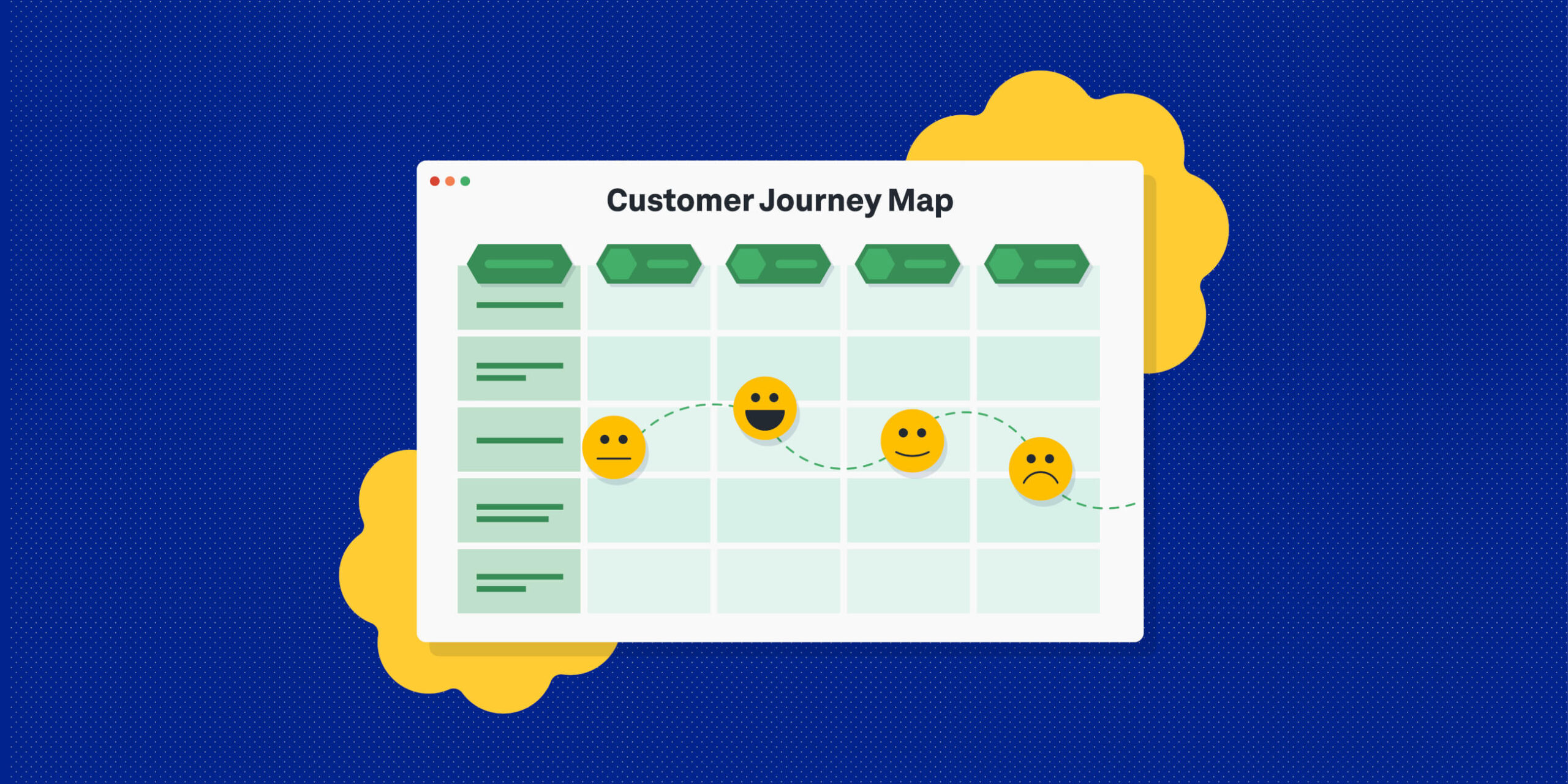
The first step of the customer journey is awareness. It’s the first time that a customer encounters a business, product, or service. Awareness can be achieved via a variety of channels, such as search engines, social media, online advertising, blogs, videos, and referrals.
People are typically in the information stage at this point, but don’t necessarily go on to buy immediately. They might have an issue to solve or a need to satisfy. Companies that offer useful and informative information at this point will be more likely to grab attention and generate trust.
For instance, someone wishing to renovate their house balcony can browse the web and locate ideas for home balcony renovations or inexpensive designs. If a business is able to deliver informative and helpful material when the questions are asked, the customer might start to see the brand as trustworthy and informative.
Businesses need to be aware of their visibility and value in order to create strong awareness. The first step of the journey is where high-quality content, engaging social media posts, and informative websites all come into play, and can help draw in potential customers.
The Awareness Stage
After customers have been aware of a business, they enter into the consideration stage. Here, they start looking at alternatives and finding out more in-depth information. They can go to several websites, read reviews from customers, compare prices, etc.
This is a critical stage where customers are deciding on the business they can trust. Clear information and positive customer experiences are what can set companies apart from other competitors.
It’s a time of consideration, and trust is a major factor. Customers need to be assured that they are buying the correct product. Suggest that businesses provide case studies, detailed product information, a transparent pricing model, and testimonials to make their services more trusted.
For instance, when buying a fitness plan, one might seek to contrast a number of fitness plans and pick one. When one company gives informative tips, attainable outcomes, and honest feedback from customers, it builds confidence and boosts conversion rates.
Customer support is also a consideration at this stage of consideration. Responsive customer service, rapport building, and information sharing can make a big difference when it comes to customers making purchases.
The Decision Stage
The last step in the customer’s decision-making process is when he or she decides to purchase or not. They have already done their homework and have cut down on the options. Anything and everything can make a difference.
The checkout process can be complicated, there are unexpected payments involved, or there is poor customer service, which can make customers abandon a purchase. Conversely, it can be a great help for some customers to make a confident move forward with smooth transactions, clear policies, and appealing offers.
During this phase, businesses may employ tactics such as discounts, free trials, or limited-time offers to encourage people to take action. That being said, it should not be too aggressive. It is customers’ favorite brands that provide an easy and stress-free buying experience.
In this regard, trust will be vital. Payment options are safe, returns are clear, and communication is professional, assuring customers of a safe buying experience online or in store. Selling a product is not the only decision stage. It’s more about letting customers know that they have made the right decision.
The Retention Stage
It’s important to remember that while there are plenty of businesses out there that are interested in attracting new customers, there are also plenty more that are dedicated to keeping the ones they already have. Customer journey doesn’t end once the purchase is made. Indeed, the after-sales service can make all the difference in whether or not customers come back for more in the future.
Retention is ensuring customer satisfaction and engagement after the sale. Companies with superb after-sales service, follow-up communication, and ongoing support will have a higher likelihood of fostering long-term loyalty.
Brands that are good value to customers after the sale make them happy. This can be a customised recommendation, rewards for repeat business, informative material, or customer service that reacts to your needs.
For instance, an internet home improvement firm that supplies follow-up maintenance information and customer service makes for a better customer experience than a company that disappears after the purchase of the home improvement.
Repeat customers are important customers, as they can help the company grow and help the company to retain its customers. A company’s reputation can be enhanced over the course of time through retention, and retention contributes to revenue.
The Advocacy Stage
Happy consumers can be effective promoters for a business. Advocacy is when customers actively promote a brand to friends, family, and online communities. In today’s digital era, customer reviews and social media recommendations are even more important in making purchases than ever before.
Positive experiences make it easy for customers to voice their opinions in public. A single piece of advice can be very influential in attracting and building brand credibility.
By providing outstanding service and fostering emotional customer relationships, businesses can go a long way toward fostering advocacy. When people feel good about brands because the brands are making them feel good, they will promote them.
The authenticity is another aspect of customer advocacy. Positive real customer feedback is more believable than conventional advertising to potential customers. That’s why reviews and testimonials are important components of modern marketing strategies, as is user-generated content.
Why Understanding the Customer Journey Matters
By understanding the customer journey, businesses can gain insights into how customers see their brand. Companies don’t just take the view that it’s all about sales; they start to know the customer’s emotions, challenges, and expectations at each stage.
This insight can boost businesses in their marketing efforts, website design, customer service, and overall communication. If a business spots an area in which customers are having problems, it can make improvements so that their customers have smoother and better experiences.
Another benefit of the customer journey is that it enables businesses to tailor their interactions to each customer. Today’s customers want brands to know their likes and dislikes and give them suggestions accordingly. By being personalised, relationships are strengthened, and customer satisfaction is raised.
With the advent of technology, customer journey analysis is now even more effective. There are now tools available to businesses to monitor behaviour and insights from analytics and customer data. With this information, companies can make better decisions and develop strategies accordingly.
Final Thoughts
Customer journey is one of the most crucial concepts of this day and age in business. It encompasses all of customers’ interactions with a brand – from discovery through to ongoing loyalty. When companies grasp this process, they can design positive experiences and foster customer trust and relationships.
These days, customers are looking for more than just a product or service. They’re looking for seamless interactions, transparency, and customization. Customer-centric businesses have the greatest chance to be successful in a competitive market.
Building a great customer journey is no simple task. It must be constantly improved, listen to customer feedback, and commit to adding value. Companies that focus on the customer experience can establish a more positive reputation, foster customer loyalty, and drive sustainable growth.